


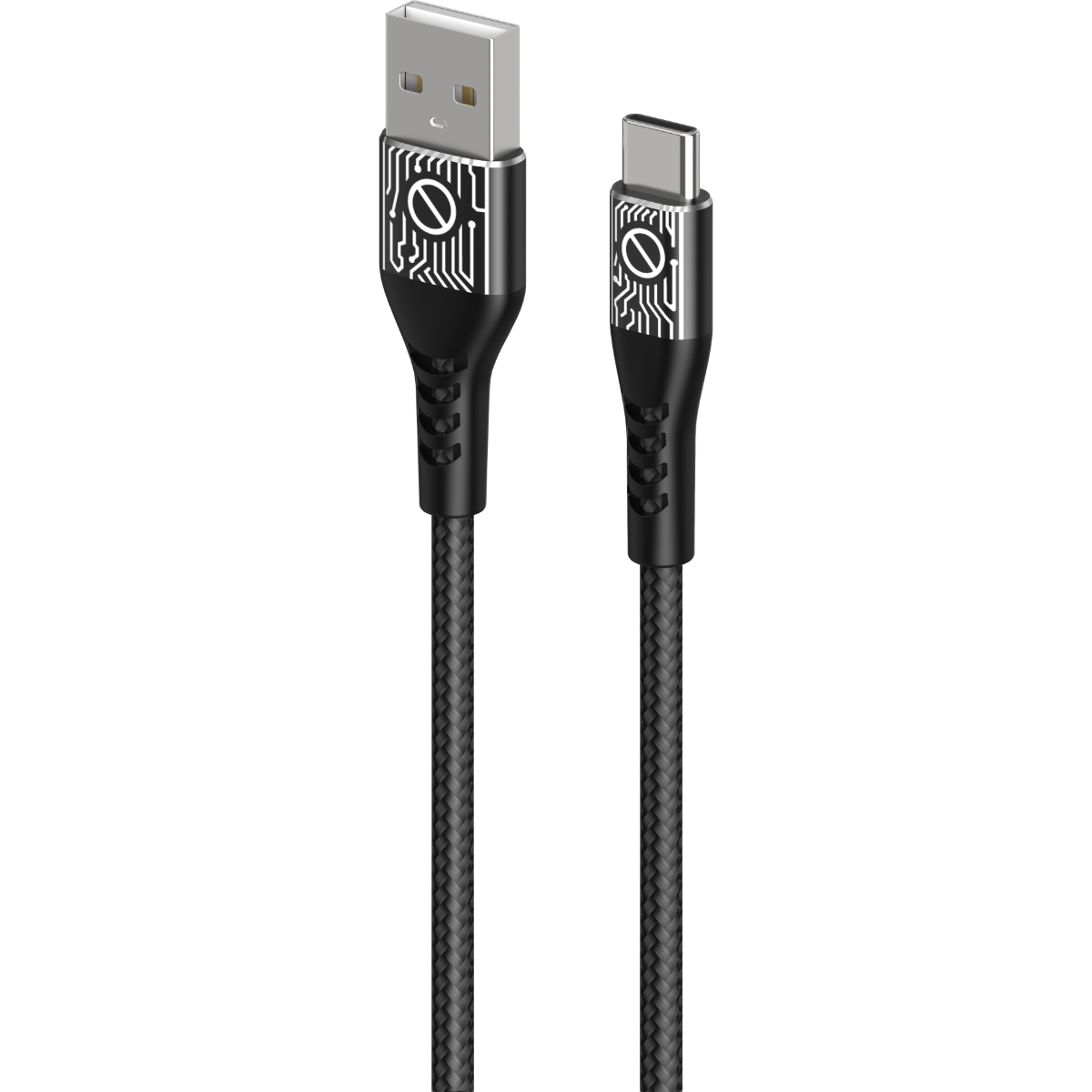
2m USB-A to USB-C Data Blocking Cable
Features
Braided
Fabric Cable

36W
Fast Charging

2m
Cable Length

Data
Protection

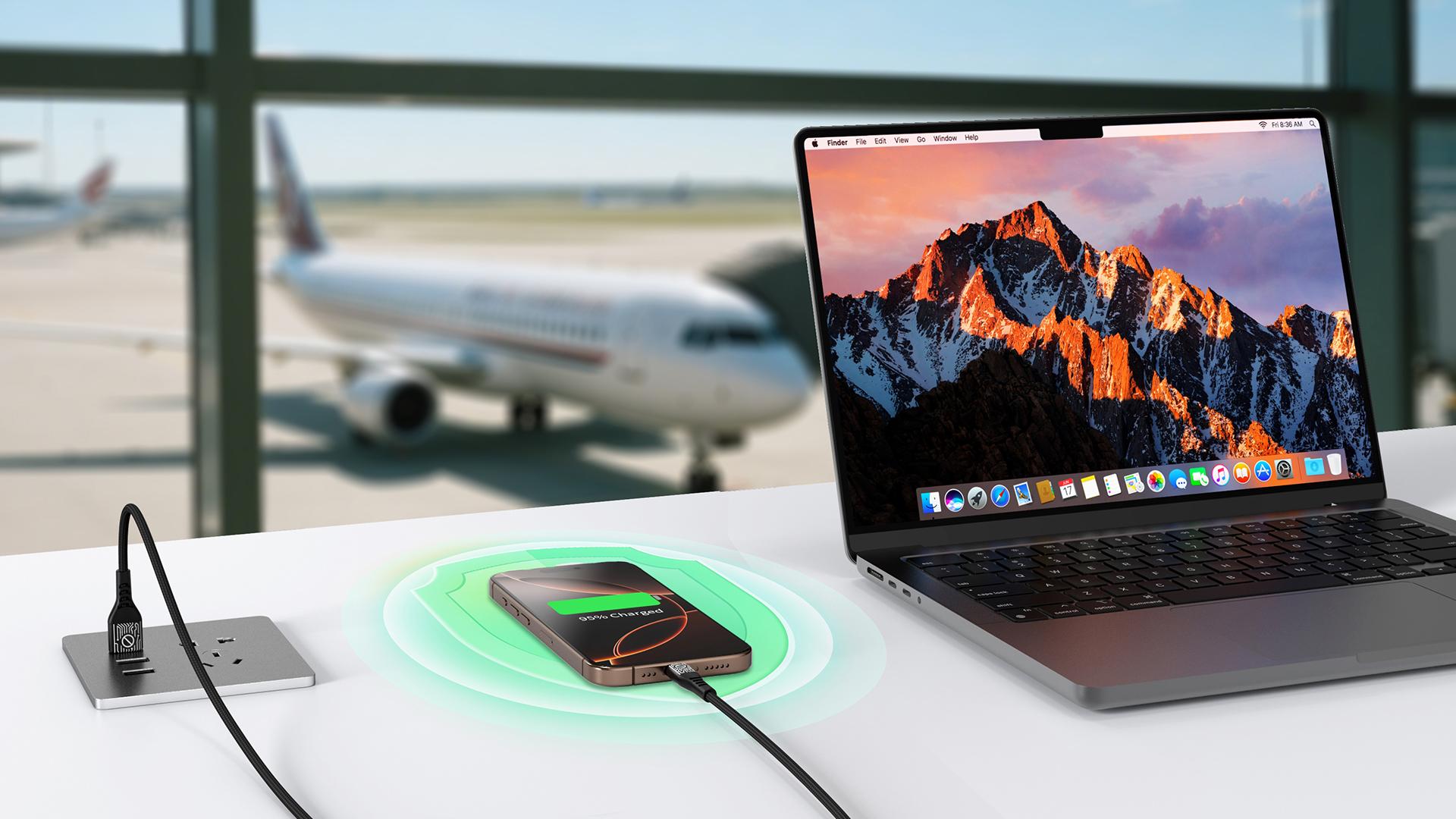
POWER-ONLY Connection
enables the latest charging standards without compromising your privacy
PHYSICAL DATA SECURITY
built-in to prevent hacking, data theft, malware, ransomware, viruses and more
Charge without worry
at airports, cafes, hotels, universities, or anywhere with untrusted power sources
FAST CHARGING
for devices that support USB Quick Charge QC2.0 & QC3.0 up to 36W
Specifications
Charging Specs
Host Port Connection: USB-A
Product Dimensions: 2m
Product Weight: 45g
Connectivity
USB-A

USB-C

Compatibility
Charging
Charge any USB-C equipped smartphone or tablet from brands including, but not limited to:
- Apple
- Samsung
- Oppo
- Motorola
- Xiaomi
If you're unsure about the compatibility of your device, please check with our support staff either via the Live Chat in the bottom right of the page or support@comsol.com.au
Sustainability
THE SUSTAINABILITY HIERARCHY
The Sustainability Hierarchy empowers us to make eco-conscious choices at every stage of our products’ lifecycles, from refusing unnecessary items to recovering valuable resources, fostering a more sustainable future.
Making Informed Choices
All stages of the electronic product lifecycle are important to consider in order to be sustainable consumers. The Sustainability Hierarchy, also known as the Rs of Sustainability, is a valuable tool to help guide business and consumers in minimising our impact and making conscious choices.

As a brand it is important to consider which stage of the Sustainability Hierarchy aligns best with our efforts to minimise impact and contribute to a more sustainable future—particularly in early product design and manufacturing.
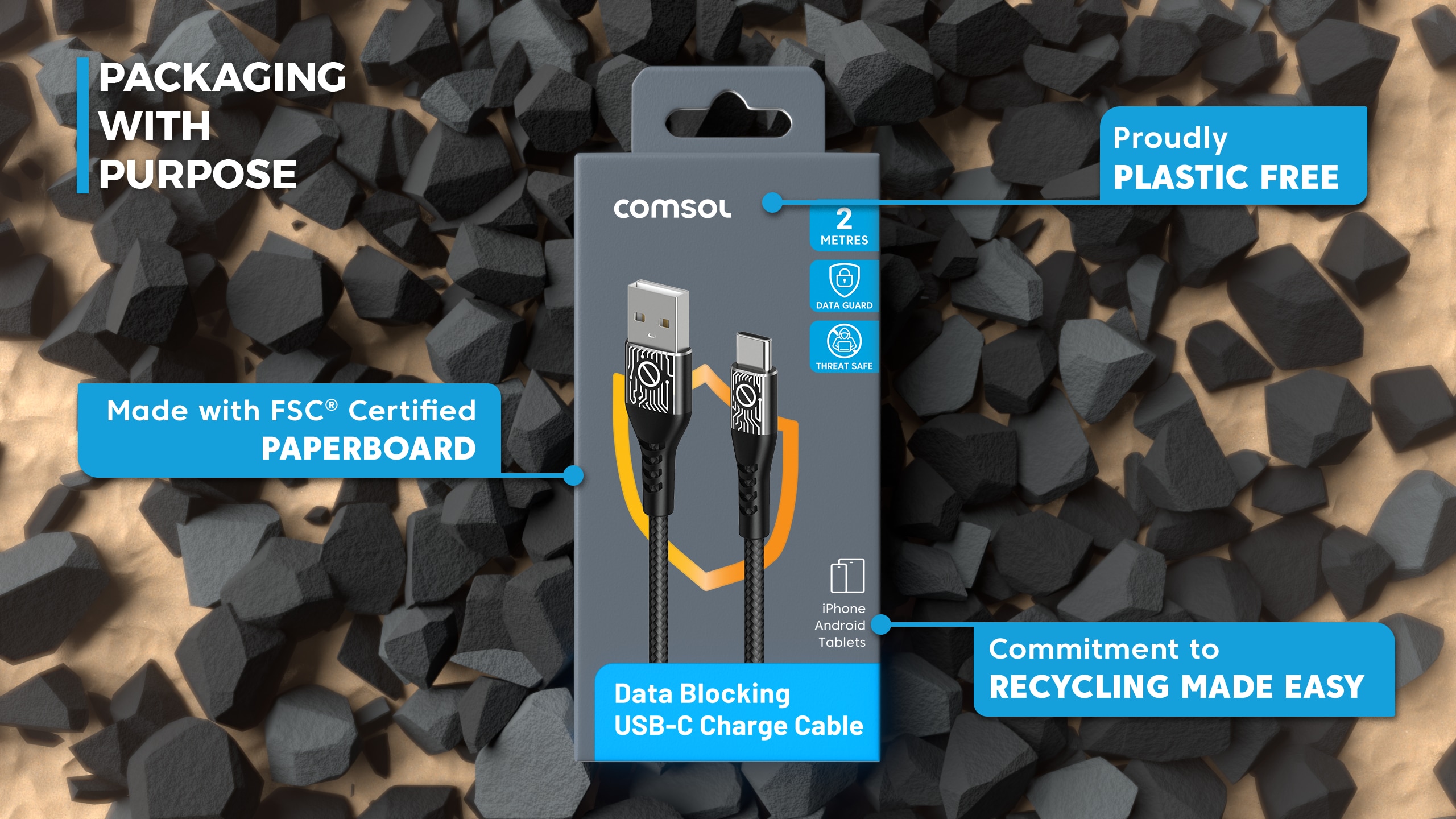
- Refuse: We have said no to unnecessary plastic and harmful materials in products and packaging.
- Rethink: We investigate innovative solutions to extend product life through durability and multifunctional design.
- Reduce: We have reduced packaging volumes and optimised material usage in line with APCO assessments.
To view more click here.